



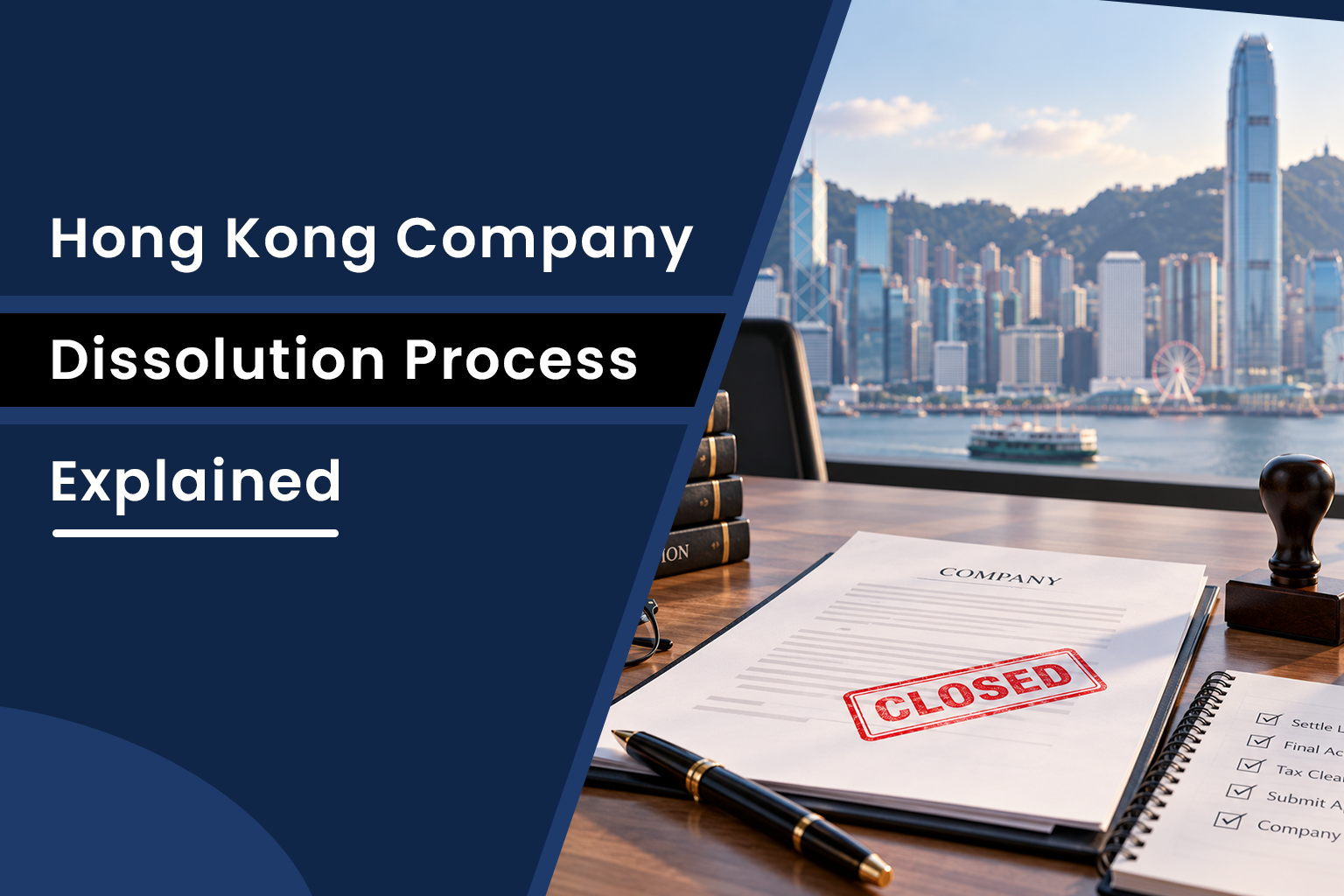
A company that has stopped trading is not automatically closed. It remains responsible for statutory filings, tax matters and record keeping until it is formally removed. The company dissolution process in Hong Kong is therefore more than submitting a form: it requires a clean financial and compliance position before deregistration can proceed.
For founders, this is often a practical business decision. A project may have ended, a group structure may be changing, or maintaining an inactive company may no longer make commercial sense. Closing the company properly helps prevent future obligations, penalties and unexpected administrative work.
Deregistration or winding up: which route applies?
The appropriate closure route depends mainly on the company’s financial position. For a solvent private company that has ceased business and has no outstanding liabilities, deregistration is usually the simpler option. This is the route many small and medium-sized businesses use when the company has completed its purpose and all loose ends can be resolved.
Winding up is a different legal process. It may be required where the company cannot pay its debts, has complex creditor issues, or needs a formal process to distribute remaining assets. It is generally more involved and should be considered early where the company’s financial position is uncertain.
Deregistration is not a way to walk away from debts or unresolved disputes. Before making an application, directors should be confident that the company has no outstanding liabilities, is not involved in legal proceedings and has no assets that still need to be dealt with. If a company is deregistered while property remains in its name, that property may pass to the Government as bona vacantia.
The company dissolution process in Hong Kong
For an eligible company, this step-by-step deregistration guide covers the key financial, tax and corporate steps involved in closing a company in Hong Kong. Completing them in the right order reduces delays and gives directors a clear record of how the business was closed.
1. Stop trading and identify every outstanding obligation
Start by setting a clear cessation date. From that point, the company should not take on new trading commitments unless they are necessary to close existing matters. Review supplier balances, customer deposits, staff payments, leases, bank facilities, subscriptions, insurance policies and contracts.
It is equally important to check obligations that may not appear in day-to-day bookkeeping. These can include accrued professional fees, taxes, merchant account reserves, contractual termination costs and director loan balances. A small overlooked amount can prevent the company from meeting the conditions for deregistration.
2. Prepare final financial records
Accurate books are essential, even for a company that has been inactive for some time. The final records should show the company’s last transactions, all liabilities settled, and the treatment of any cash, stock, receivables or other assets.
Directors should not simply withdraw funds without recording the transaction correctly. Depending on the circumstances, payments to owners may need to be treated as repayment of a loan, salary, dividend or return of capital. The proper treatment depends on the company’s records and financial position.
A final set of accounts also gives the directors a practical check: does the company owe money, own money, or have unresolved balances? If the answer is unclear, it is too early to proceed with deregistration.
3. Close bank accounts and settle assets
Once all payments have cleared, arrange for company bank accounts to be closed. Banks may need to approve the board and present identification and evidence of authorised signatories. It makes sense to allow for a sufficient amount of time for pending payments, refunds or charges to be completed before closing is requested.
Deal with all remaining assets before applying. This includes cash, deposits, equipment, intellectual property, domain names and amounts due from customers. Where a company has overseas assets or intercompany balances, the process may require additional planning. The goal is simple: the company should have nothing left to own and nothing left to pay.
4. Obtain tax clearance
A key step in the Hong Kong company dissolution process is obtaining a Notice of No Objection from the Inland Revenue Department. The company generally needs to submit the relevant application and bring its tax matters up to date before this notice can be issued.
This may involve notifying the department that the business has ceased, submitting outstanding profits tax returns and settling any tax due. The department may ask for final financial information or clarification of transactions before granting its notice. Response times vary, particularly where records are incomplete or the company has cross-border activity.
Tax clearance should not be treated as a last-minute formality. Preparing the final accounts and identifying tax exposure early gives the business more control over timing and avoids a rushed closure.
5. Secure members’ consent
Deregistration requires the agreement of all members of the company. This requirement matters even where one person manages the business on a daily basis. The company should retain clear written evidence that every member has agreed to the application.
If a company is a part of a group, validate the registered shareholder and if there are any internal approvals required. Often there’s a delay because the operational team thinks it’s an easy consent, whereupon the shareholder is yet another entity, or where sign-off needs to be from another jurisdiction.
6. Apply for deregistration
After receiving the Notice of No Objection and confirming the eligibility conditions, the company can apply to the Companies Registry for deregistration. The application should be consistent with the company’s current registered details, including its office address, directors and company secretary information.
The Registrar will publish notices in the Gazette as part of the process. If no objection is raised, a further notice is published and the company is dissolved three months after the date of that second notice. This means closure is not immediate, even where the application itself is complete.
During this period, keep the company’s registered contact details active and monitor any correspondence. If an issue arises responding promptly can prevent unnecessary complications.
Common mistakes that make closure harder
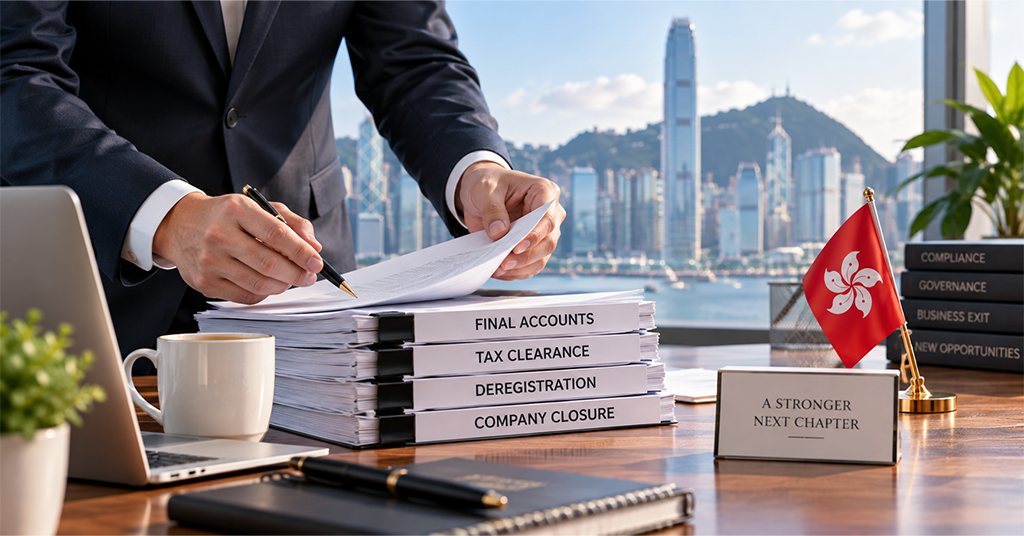
The most frequent issue is applying before the company’s financial position has been properly cleared. A dormant-looking company may still have a bank balance, an unpaid annual charge, a tax return outstanding or a director loan that has not been recorded correctly.
Another mistake is allowing statutory responsibilities to lapse because trading has stopped. Until the company is dissolved, it remains a legal entity. Annual filings and company secretarial obligations may still apply, and late compliance can create avoidable costs.
Businesses also underestimate record retention. Dissolution does not remove the need to retain company records. Directors should keep accounting records, supporting documents and key corporate papers for the applicable statutory period. Particularly where tax matters or future restoration questions could arise.
Plan the timing around your business reality
The timetable depends on the quality of the company’s records, the speed of tax clearance and whether all members and counterparties can respond promptly. A straightforward inactive company may move steadily through the process, while a company with old transactions, overseas shareholders or unresolved balances will need more preparation.
This is why early planning is valuable. If you know a company will not continue after a particular contract, funding round or financial year, begin reviewing its records before the final trading date. You can then settle commitments methodically instead of trying to reconstruct months of information under pressure.
Professional support can coordinate the practical work: bringing bookkeeping up to date, preparing final accounts, managing company secretarial steps and keeping the application aligned with the company’s tax position. For business owners, this creates one accountable process rather than several disconnected tasks.
A well-managed closure protects more than compliance status. It lets directors finish a business chapter with clear records, settled obligations and the confidence that no avoidable responsibility has been left behind.
FAQs
1. What is the difference between deregistration and winding up in Hong Kong?
Deregistration is generally for solvent companies with no outstanding liabilities. Winding up is a more formal process used when a company has debts or financial complications.
2. How long does company deregistration take in Hong Kong?
This may take a few months. Unless someone objects, the company is normally wound up three months after the second Gazette notice is issued.
3. Does a company need tax clearance before deregistration?
Yes. The company generally needs a Notice of No Objection from the Inland Revenue Department before applying for deregistration.
4. Can a company be deregistered if it has outstanding debts?
Generally, no. Outstanding debts and liabilities should be settled before applying. A company with financial difficulties may need to consider winding up.
5. What happens to company assets after deregistration?
All assets should be dealt with before applying. Property left in the company’s name may pass to the Government as bona vacantia.